
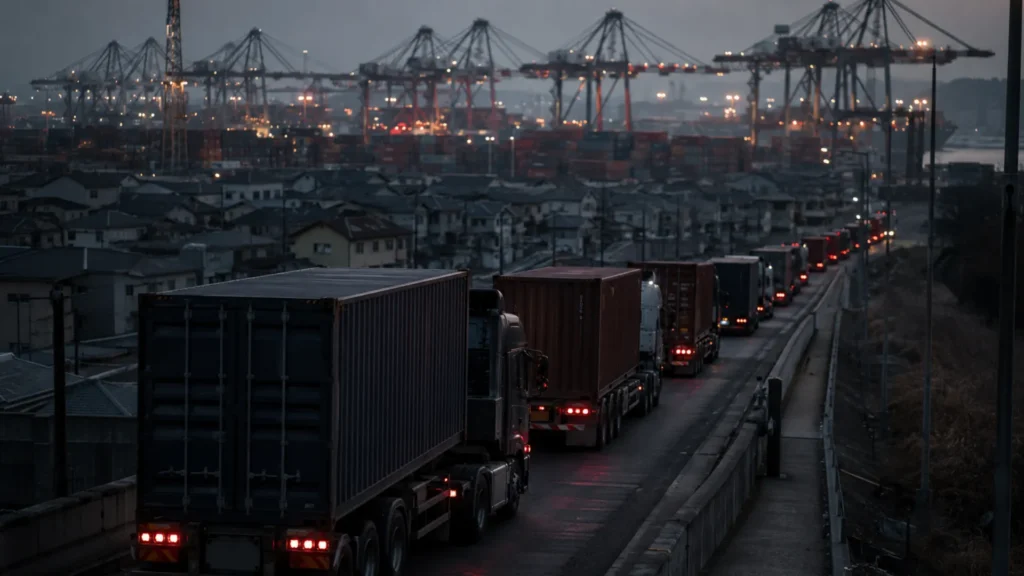
Johannesburg, 5 August 2026 — The Durban port expansion trucks question is now formally on the table. Fleet operators have a direct stake in how it resolves. The Transnet National Ports Authority has invited private investors to develop two logistics sites at Ambrose Park. The invitation forms part of an updated long-term development plan for the port. Transnet says the move will boost capacity and modernise operations. Community organisations say it will put substantially more trucks on roads through the Bluff, Clairwood and Umbilo. Both positions are about the same thing: where the freight goes once it leaves the quay.
The Plan
What the Durban Port Expansion Proposes
The Durban port expansion proposal is straightforward on paper. TNPA has opened two Ambrose Park sites to private logistics development, while Transnet updates the port’s long-term development plan. That update includes a strategic assessment of the environmental and social impacts of future expansion. For operators, back-of-port logistics capacity has been a standing request for years. Staging space close to the terminals reduces the dwell time and empty running that container work currently forces on fleets.
Why Communities Object to More Durban Port Trucks
The objection is equally clear. The South Durban Community Environmental Alliance argues that port growth must weigh its effect on nearby communities. Celokuhle Zondi, legal officer at Natural Justice, links the container target directly to road volumes. Bigger vessels bring more containers. That, she says, would mean “a lot of trucks on the road” and a wave of new logistics operators around the port. She points to Clairwood, where municipal rezoning has already opened a largely residential area to warehousing. Concerns also cover dredging and the cumulative burden on the Bluff and Umbilo.
The Container Target Driving Durban Truck Volumes
Container volumes are the pivot. Community representatives cite a Transnet target of 20 million containers a year. Whatever the final figure, the logic holds. Every container that lands must leave, and in South Africa most leave by road. Therefore, terminal capacity and road capacity are one problem, not two. Bluff councillor Zoe Solomon wants the city’s freight strategy and the port’s Strategic Environmental Assessment aligned. Growth, she argues, must not cost residents their health and safety.
The Numbers Framing the Durban Port Expansion
Fleet Impact
What the Durban Port Expansion Means for Truck Operators
Operators should read this as a routing and staging question rather than a political one. The South Durban Basin corridors carry the traffic between the terminals and the N2. Any rezoning, road upgrade or access restriction changes where trucks may wait. It also changes how long each round trip takes. Notably, Transnet has separately begun major road repairs around the port precinct. Accordingly, the fleets that track their actual corridor times now will plan on evidence. They will also hold real numbers for public submissions.
- Track actual port precinct dwell and corridor times now: the planning debate runs on volume claims, not measurements
- Map alternative staging options around the South Durban Basin before rezoning and access rules change
- Follow the Strategic Environmental Assessment and city freight strategy processes: both shape your routes
- Expect disruption from port precinct road works during the planning period, and build it into turn times
Fleet Technology
How DigitFMS Measures Port Truck Turn Times
Whichever way the plan lands, it changes where trucks stage and how long each turn takes. That is measurable. DigitFMS geofencing records exactly when a vehicle enters and leaves the port precinct. Terminal dwell and corridor time become numbers per trip rather than impressions. Route management builds realistic Durban turn times into planning, while GPS tracking shows dispatch where every vehicle is standing. D-Fuel captures the litres burned idling in port queues, a cost the invoice never separates. Competing providers such as Cartrack, Tracker, Netstar, Ctrack and MiX by Powerfleet serve container fleets as well. However, residents cite truck volumes and operators cite delays. The party arriving with measured data holds the stronger argument.
Questions Answered
Frequently Asked Questions: Durban Port Expansion and Trucks
What is Transnet planning at the Port of Durban?
The Transnet National Ports Authority has invited private investors to develop two logistics sites at Ambrose Park. The move forms part of an updated long-term development plan, which includes a strategic assessment of environmental and social impacts.
Why does the Durban port expansion affect trucks?
Higher container volumes mean more road movements. Community representatives argue that a larger port draws more logistics operators and heavier truck traffic through surrounding suburbs.
Which Durban Areas Are Raising Concerns?
The Bluff, Clairwood and Umbilo. Concerns raised include dredging, increased truck traffic and the cumulative effect of logistics development on residents.
What Container Target Is Driving the Port Expansion?
Community representatives cite a Transnet target of 20 million containers a year. Reaching it, they argue, would require substantially more trucks and logistics facilities around the port.
What Is the Clairwood Rezoning Issue Near the Port?
The municipality has rezoned Clairwood. That has enabled logistics and warehousing development in what was previously a largely residential area near the port.
What Are Officials Saying About Port Growth and Residents?
A Bluff councillor has argued that the city’s freight strategy and the port’s Strategic Environmental Assessment must work together. The aim is economic growth that does not cost residents their health and safety.
What Should Truck Operators Do About the Expansion?
Follow the Strategic Environmental Assessment and city freight strategy processes closely. Additionally, plan for staging and routing changes around the South Durban Basin. Record actual corridor times to inform planning and submissions.
Facts checked 5 August 2026. Source: reporting by East Coast Radio, including comment from Natural Justice and the South Durban Community Environmental Alliance. Related: port congestion and fleet costs and what delays cost fleets.
© 2026 DigitFMS. All rights reserved.