
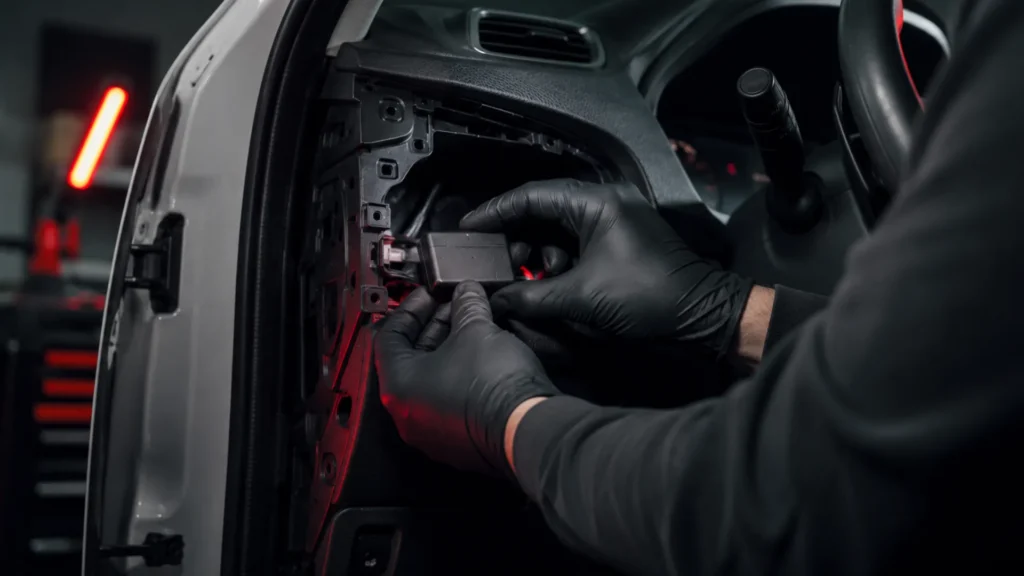
Durban, 30 July 2026 — High risk hijacking vehicles are no longer just a security story. They have become an insurance condition. Discovery Insure has informed owners of certain Toyota Corolla Cross models that their vehicles now count as high risk for theft and hijacking. Cover now depends on installing tracking devices. Miss the notice period, and Discovery may amend the policy to exclude theft and hijacking cover entirely. For fleet operators, the precedent matters more than the model. Insurers are now dictating tracking hardware as a condition of cover. The logic that reached South Africa’s best-selling crossover reaches fleets next.
The Ruling
How Insurers Now Define High Risk Hijacking Vehicles
The mechanism is claims data. According to BusinessTech, Discovery reviewed its book. It identified a significant increase in theft and hijacking trends affecting certain vehicle types and locations. Owners of affected vehicles, including the Corolla Cross 1.8 XR, must now install two Crowd Search Sensors. The wireless devices link to the insurer’s recovery network. In exceptionally high-risk cases, Discovery may require a dual-tracker setup. The insurer does not publish a permanent list of flagged models. Instead, existing customers learn through their policy schedules, while new customers hear during quotation.
The Tracking Cost and the Waiver That Matters to Fleets
The sensors arrive at no initial cost. However, a Stolen Vehicle Recovery fee of R135 per month per vehicle applies from the next policy anniversary. Crucially, Discovery waives that fee where an approved third-party tracking system is already installed. For a fleet, that clause changes the arithmetic. Consolidated telematics that satisfies the insurer avoids a fee that would otherwise total R1,620 per vehicle per year. Consequently, the cheapest compliance route and the best operational route point at the same hardware.
Why Hijackers Target High-Volume Vehicles Like the Corolla Cross
The targeting follows a pattern security firms have described for months. Blue Hawk Tactical warned late last year that organised groups were working Corolla Cross vehicles across Gauteng. Fidelity Services Group CEO Wahl Bartmann says criminals favour popular vehicles that blend into traffic, particularly in white and silver. Once stolen, criminals dismantle vehicles for parts or re-register and resell them, so demand tracks sales volumes. Naamsa figures show the most-targeted models sit among the country’s best sellers. Notably, analysts caution that raw hijacking numbers should be read against how many of each model are on the road.
The Numbers Behind the Vehicle Risk Ruling
Fleet Impact
What High Risk Hijacking Vehicles Mean for Fleet Cover
Commercial fleets have lived with insurer tracking requirements on trucks for years. The new development is direction. The requirement is spreading down the vehicle chain into exactly the high-volume models that fleets run: bakkies, pool cars, rep vehicles and courier units. Furthermore, Tracker’s own crime index shows business-owned vehicles are 48% more likely to be targeted than private ones. The exposure is therefore not hypothetical. Consider the failure mode. An uninsured hijacking, discovered at claim stage because a mandated device sat missing or inactive, converts a security incident into a balance-sheet event.
- Audit every policy schedule now for tracking conditions: the mandate arrives per vehicle, not per fleet
- Confirm in writing whether your fleet telematics qualifies as approved third-party tracking with each insurer
- Check device health monthly: an installed but inactive unit fails the condition when it matters
- Flag high-volume models in your fleet: the claims-data logic that caught the Corolla Cross applies to them next
Fleet Technology
How DigitFMS Answers the Vehicle Tracking Question
The question insurers are now asking is simple: can this vehicle be found, and who was driving it? DigitFMS answers both across the fleet. GPS tracking with stolen vehicle recovery gives every vehicle the capability insurers want to see. Meanwhile, driver identification ties each trip to a named person. AI dashcams add visual evidence. Additionally, geofencing alerts flag movement outside authorised zones, often the first sign of a theft in progress. Competing providers such as Cartrack, Tracker, Netstar, Ctrack and MiX by Powerfleet also serve the insurance-telematics market. Operators should confirm approval with their specific insurer. However, the direction is set. Tracking has moved from an operational choice to a condition of cover, and fleets with consolidated telematics arrive already compliant.
Questions Answered
Frequently Asked Questions: High Risk Hijacking Vehicles
Which vehicle has Discovery flagged as high risk for hijacking?
Discovery Insure has flagged certain Toyota Corolla Cross models, including the 1.8 XR, as high risk for theft and hijacking. The finding comes from the insurer’s own claims data.
What must affected vehicle owners now install?
Discovery requires two Crowd Search Sensors, installed and active within the notice period. Moreover, in exceptionally high-risk cases the insurer may require a dual-tracker setup.
What happens if the devices are not installed?
Discovery has warned that it may amend the policy to exclude theft and hijacking cover for the affected vehicle. That leaves the owner uninsured for exactly the risk that triggered the requirement.
What does the tracking requirement cost?
The sensors initially come at no additional cost. However, a Stolen Vehicle Recovery fee of R135 per month per vehicle applies from the next policy anniversary. Importantly, Discovery waives the fee where an approved third-party tracking system is already installed.
Why do hijackers target popular models like the Corolla Cross?
Security firms say criminals favour high-volume vehicles that blend into traffic, especially in white or silver. Once stolen, criminals dismantle units for parts or re-register them, and parts demand tracks vehicle sales.
Where is the hijacking risk concentrated?
Industry figures point to Gauteng, KwaZulu-Natal and the Western Cape. Incidents concentrate in major urban and peri-urban areas.
What should fleet operators do about insurer tracking requirements?
First, audit which vehicles carry insurer-mandated devices and check policy schedules for tracking conditions. Then confirm whether existing fleet telematics qualifies as approved third-party tracking, and close any gaps before a claim tests them.
Facts checked 30 July 2026. Source: Discovery Insure customer communication, reported by BusinessTech, with security context from Fidelity Services Group and Blue Hawk Tactical via the same report and Tracker Vehicle Crime Index data via the SA Trade Desk. Related: our cargo crime analysis and DigitFMS stolen vehicle recovery.
© 2026 DigitFMS. All rights reserved.